

































Peak climbing in Nepal

Peak Climbing in Nepal: A Journey Above the Clouds
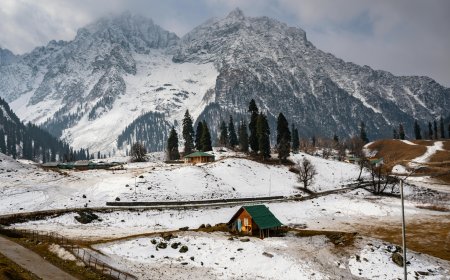
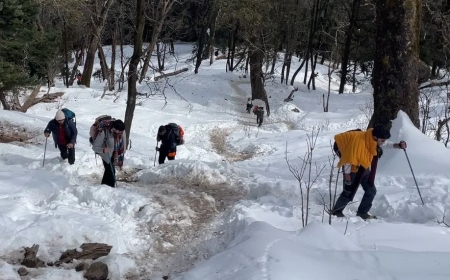
When I first stood at the foot of a Himalayan peak, I remember feeling both small and excited. There was something wild and pure about the air, the snow, and the silent giants that surrounded us. Peak climbing in Nepal is not just about reaching the top. Its about finding something deeper in yourself. We go for the climb, but what we discover is far more than just the view.

What Is Peak Climbing in Nepal?
Peak climbing in Nepal means tackling mountains that are not as high as Everest but still offer a thrilling challenge. These peaks are often between 5,800 to 6,500 meters (thats about 19,000 to 21,300 feet). Theyre part of a group known as "trekking peaks," and theyre perfect for those who want a taste of mountaineering without needing years of experience.
Nepal has over 1,300 peaks higher than 6,000 meters, and more than 30 of them are open for peak climbing. The most popular ones include Island Peak (6,189m), Mera Peak (6,476m), Lobuche East (6,119m), and Pisang Peak (6,091m). These mountains offer unforgettable experiences, from snowy ridges to high-altitude base camps.
Why Choose Nepal?
Nepal is the land of the Himalayas. Nowhere else in the world do so many tall peaks gather in one place. But theres more. Nepal is also full of kind-hearted people, rich culture, and ancient trails that lead through forests, prayer flags, and quiet villages.
Climbers often say that Nepal gives you more than a mountain. It gives you a story. Youll eat dal bhat with locals, sleep in teahouses, and hear the soft sounds of yak bells in the distance. These moments stay with you.
Popular Peaks to Climb
Island Peak is a favorite for beginners. Its located near Everest and usually takes about 18-20 days, including the trek to base camp. The summit gives you views of Lhotse, Makalu, and Ama Dablamsome of the most stunning peaks in the world.
Mera Peak is the highest of Nepals trekking peaks. It takes around 20-22 days to complete and involves walking through beautiful remote valleys. On a clear day from the summit, you can see five of the worlds six highest mountains.
Lobuche East is more technical than the others. Its great for those who want a tougher challenge with ropes and ice axes. The climb usually takes about 17-18 days.
What You Need to Know Before You Go
-
Fitness: You dont need to be a marathon runner, but being fit helps a lot. Train by hiking, running, or cycling.
-
Gear: Most gear like crampons, harnesses, and boots can be rented in Kathmandu.
-
Permits: Youll need a climbing permit, a trekking permit, and often a licensed guide. Prices vary, but expect around $250 to $500 USD for permits alone.
-
Altitude: Altitude sickness is real. Take your time. A good itinerary allows for rest and acclimatization.
The Unforgettable Reward
Climbing a peak in Nepal isnt about beating the mountain. Its about rising with it. Every step brings new views, new challenges, and new feelings. Standing at the summit, breathing thin air, and seeing a world so vast and silentits like being reborn. Theres a whiff of wonderment in the Himalayan wind.
Final Thoughts
If youre dreaming of an adventure that mixes challenge with beauty, peak climbing in Nepal is worth it. Its not just for expert climbers. With the right guide and spirit, almost anyone can do it. We came for the climb, but we left with stories, memories, and something that felt close to magic.