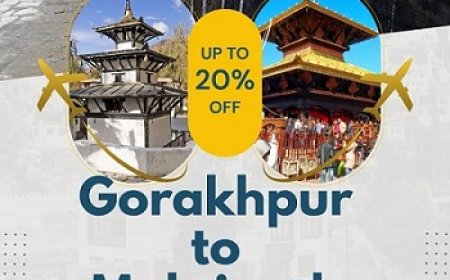
The Mustang Trek takes you into one of Nepals most mysterious and culturally rich regionsUpper Mustang, also known as the "Last Forbidden Kingdom." Hidden in the rain shadow of the Annapurna and Dhaulagiri ranges, Mustang offers a landscape unlike any other in Nepal: wind-sculpted cliffs, ancient caves, colorful rock formations, and Tibetan-style villages frozen in time.
Where Is Mustang?
Mustang lies in the northwestern part of Nepal, bordering Tibet. It is divided into Lower Mustang (easily accessible and more touristic) and Upper Mustang, which requires a special permit and remains one of Nepals most restricted trekking areas. The trek leads you to Lo-Manthang, the ancient capital of the former Mustang Kingdom.
Why Trek in Mustang?
-
Unique Desert Landscape: Unlike the green hills of other trekking regions, Mustang is arid and dramaticsimilar to Tibetan plateau terrain.
-
Deep Cultural Heritage: Mustang is deeply rooted in Tibetan Buddhism, with centuries-old monasteries, chortens, and preserved traditions.
-
Lo-Manthang: A medieval walled city that feels untouched by modern time.
-
Rain-Shadow Zone: Ideal for trekking even during Nepals monsoon season (JuneAugust).
-
Cave Systems and Monasteries: Visit places like Chhoser Cave and Ghar Gompa, both spiritually and historically significant.
Trekking Route Overview
-
Duration: 1015 days (varies by route and entry point)
-
Start/End Point: Most treks begin from Jomsom, reached by flight from Pokhara
-
Key Stops: Kagbeni Chele Syangboche Ghami Tsarang Lo-Manthang Dhakmar
-
Altitude: Max around 3,900 meters (Lo-Manthang)
Required Permits
Trekking in Upper Mustang requires:
-
Restricted Area Permit (RAP): $500 per person for 10 days, $50/day after that
-
Annapurna Conservation Area Permit (ACAP)
-
A registered guide and a minimum of two trekkers are required
Note: Lower Mustang (up to Kagbeni) does not require the restricted permit.
Best Time to Trek
-
Spring (March to May): Clear skies, comfortable temperatures
-
Summer/Monsoon (June to August): Best time for Upper Mustang, as it's in the rain-shadow
-
Autumn (September to November): Cool weather, great visibility
-
Winter: Cold and less ideal, but possible with preparation
Trekking Conditions
-
Moderate difficulty: Trails are not overly steep but can be long and windy
-
Accommodation: Comfortable teahouses available throughout the trail
-
Terrain: Dry, dusty trails, open ridges, and river canyonsgood boots and wind protection are essential
Cultural Tips
-
Respect local customs and dress modestly
-
Avoid photographing people or religious sites without permission
-
Visit Tiji Festival (usually in May) in Lo-Manthang for a rare cultural spectacle
Final Thoughts
The Mustang Trek is not just a journey through landscapesits a step back into an ancient kingdom that still lives by its own rhythm. Its a trek for those curious about culture, history, and wild Himalayan beautywithout the crowds. With its open skies, quiet trails, and sacred stories, Mustang stays with you long after the trek ends.