




































Quran Translation Enhances Spiritual Understanding
Discover how reading the Quran in your language deepens spiritual insight, strengthens faith, and helps apply divine guidance to daily life.
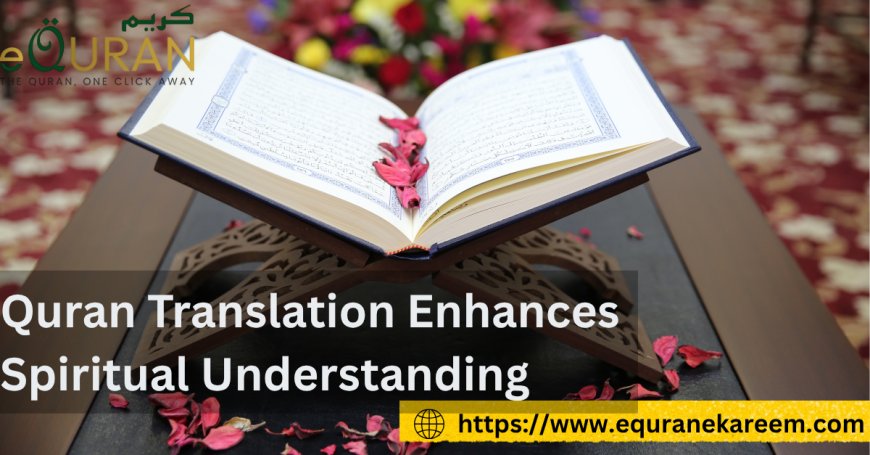
Understanding the Quran is not just about reading its Arabic text; it's about grasping the meaning, reflecting on its wisdom, and applying its message in our lives. For non-Arabic speakers, Quran translation becomes a powerful tool to access this divine guidance. It bridges the gap between recitation and comprehension, deepening ones relationship with Allah and reinforcing faith through clarity and reflection.
Building a Personal Connection with the Quran
Developing a personal connection with the Quran transforms it from a distant scripture into a daily source of guidance and peace. Through translation, readers can engage with its messages more deeply and emotionally. This connection strengthens faith and nurtures a more meaningful relationship with Allah.
Beyond Recitation: Understanding the Message
Many Muslims recite the Quran regularly, but without knowing its meaning, the connection can feel limited. When you understand Allahs commands, promises, and guidance in your own language, the message becomes clearer and more impactful. This clarity allows you to internalize His words, making the Quran a daily source of purpose and direction. A structured Quran translation course can further enhance this understanding and help you apply it in everyday life.
Feeling the Impact of Every Verse
Once you begin to comprehend the verses, you start to feel their emotional and spiritual weight. Whether it's a verse about mercy, justice, or the Hereafter, understanding the message fosters a deep sense of awe and reflection. It makes you pause, not just read.
Supporting New Muslims and Non-Arabic Speakers
For new Muslims and those unfamiliar with Arabic, accessing the Quran's meaning can feel challenging. Choosing to learn Quran with translation provides an essential bridge to understanding and practicing Islam with clarity. It ensures that every believer, regardless of language, feels spiritually included and empowered.
Removing Language Barriers
For many new Muslims or reverts, Arabic is unfamiliar. Without translation, they may feel disconnected from the core of Islam. Quran translation eliminates that barrier, allowing them to learn, reflect, and grow with full spiritual access.
A Tool for Stronger Faith
When new Muslims read translated verses, they feel empowered and included. Understanding strengthens belief and gives them the confidence to continue their spiritual development without confusion or dependence on others.
Enhancing Daily Worship and Duas
Understanding Quranic verses through translation brings deeper meaning to daily prayers and supplications. It improves focus during Salah and helps connect the heart to the words being recited. This awareness transforms routine worship into a more mindful and spiritual experience.
Improving Focus in Prayer
When you understand what you recite in your Salah (prayers), the experience becomes more meaningful. Knowing the translation of Surah Al-Fatiha and other commonly recited verses increases khushoo (concentration) and emotional connection during prayer.
Connecting Duas to Quranic Teachings
Many duas (supplications) are derived directly from Quranic verses. When you read the translation, you see the context and intention behind these duas. This makes your prayers more heartfelt and rooted in divine words.
Choosing the Right Translation for Maximum Benefit
Not all Quranic translations offer the same clarity or accuracy. Selecting a trusted and reader-friendly version ensures you grasp the intended meanings. The right translation can greatly enhance your understanding and spiritual connection with the Quran.
Accuracy Matters
Not all translations are the same. Choose ones approved by scholars and trusted institutions. Reputable translations like those by Sahih International, Abdullah Yusuf Ali, or Dr. Mustafa Khattabs The Clear Quran are widely recommended.
Language That Resonates
Pick a translation in a language you are most comfortable with. Whether it's English, Urdu, French, or any other language, make sure it's simple and easy to understand. The more relatable the language, the deeper your reflection will be.
Conclusion
By understanding Allahs message, you begin to live by it, reflect upon it, and find peace within it. Whether you're a lifelong Muslim or a new convert, translation is a tool that invites your heart to truly connect with the Divine.
FAQs
Q1: Is it okay to read the Quran in translation instead of Arabic?
A: Yes, especially for understanding the meaning. While the Arabic Quran is the literal word of Allah, translations help non-Arabic speakers comprehend and connect with the message.
Q2: Which translation is easiest to understand?
A: The Clear Quran by Dr. Mustafa Khattab and Sahih International are both known for their readability and accuracy.
Q3: Can I perform Salah by reading translation?
A: No, Salah must be recited in Arabic. However, knowing the translation of what you recite will help you focus better during prayer.
Q4: Should new Muslims start with translation or Arabic?
A: Its ideal to start with translation for understanding and gradually learn Arabic for deeper engagement and recitation accuracy.
Q5: How can I reflect on the Quran after reading its translation?
A: Take time to read tafsir (explanation), pause after each verse, and ask yourself how it applies to your life. Join study circles or online classes for deeper insights.