


































RV Solar: Harnessing the Sun for Your Adventures
Discover the freedom of RV Solar! Learn how to harness solar power for off-grid RV adventures, save costs, and travel sustainably.

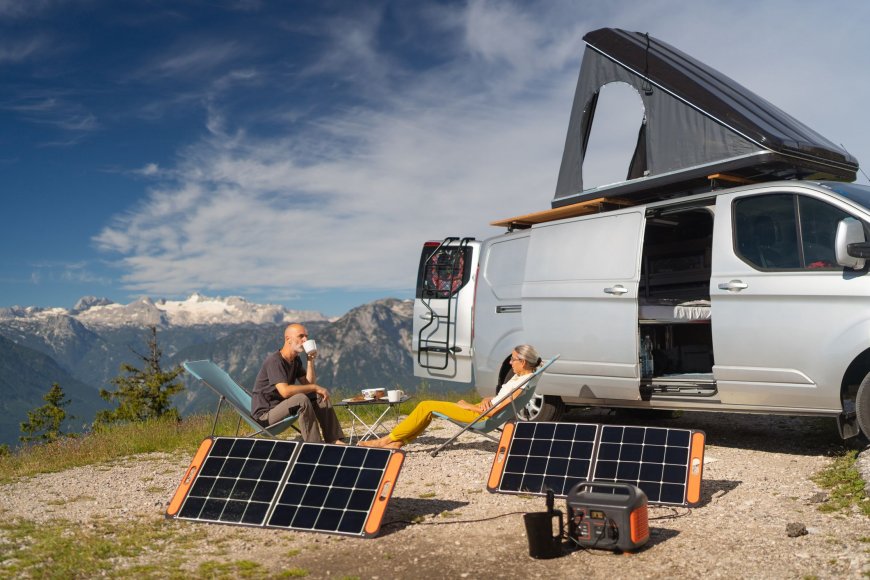
Picture this: you're cruising down a winding desert road in your RV, the horizon stretching endlessly before you. The sun beats down, casting golden rays across the landscape. But instead of draining your fuel or worrying about finding the next hookup, your RV hums along, powered by the very sunlight bathing the scenery. This is the magic of RV Solara game-changer for adventurers seeking freedom from the grid. Meet Sarah, a full-time RVer who traded noisy generators and costly campground hookups for a sleek solar setup. Her story, like many others, begins with a desire for independence and sustainability, and its a journey well explore in this guide to mastering RV Solar for your nomadic lifestyle.
Why RV Solar is a Must for Modern RVers
The Freedom of Off-Grid Living
RV Solar systems allow RVers to camp anywhereremote deserts, secluded forests, or coastal hideawayswithout relying on external power sources. Solar panels capture sunlight, converting it into electricity to charge batteries, power appliances, and keep your RV running smoothly.
Cost Savings Over Time
While the initial investment in solar equipment can seem steep, the long-term savings are significant. No more fuel costs for generators or fees for powered campsites. Sarah, our RVer, recouped her investment in under three years by boondocking exclusively.
Environmental Benefits
Solar power is clean energy. By using RV Solar, you reduce your carbon footprint, aligning your adventures with eco-conscious valuesa growing priority for modern travelers.
Choosing the Right RV Solar System
Assessing Your Power Needs
Before diving into solar, calculate your energy consumption. List your appliancesfridge, lights, fans, chargersand their wattage. For example, a typical RV fridge might use 300 watts daily, while LED lights consume far less. This helps determine the size of your solar setup.
Types of Solar Panels
Monocrystalline Panels: Efficient and compact, ideal for RVs with limited roof space.
Polycrystalline Panels: Slightly less efficient but more affordable, suitable for budget-conscious RVers.
Flexible Panels: Lightweight and adaptable for curved RV roofs but may have a shorter lifespan.
Essential Components
A complete RV Solar system includes:
Solar Panels: Capture sunlight to generate electricity.
Charge Controller: Regulates power to prevent battery overcharging.
Batteries: Store energy for use when the sun isnt shining.
Inverter: Converts DC power to AC for standard appliances.
Installing Your RV Solar System
DIY vs. Professional Installation
DIY installation is possible for handy RVers, but professional setups ensure safety and efficiency. Sarah opted for a professional install to avoid wiring mishaps, though she learned basic maintenance herself.
Placement and Mounting
Mount panels on your RVs roof for maximum sun exposure. Tiltable mounts can optimize sunlight capture, especially in winter when the sun sits lower. Ensure panels are securely fastened to withstand wind and road vibrations.
Wiring and Safety
Proper wiring is critical to avoid fire hazards. Use appropriately rated cables and fuses, and follow manufacturer guidelines. Regular inspections prevent wear and tear from constant travel.
Maximizing RV Solar Efficiency
Optimizing Sun Exposure
Park strategically to avoid shade from trees or cliffs. Sarah learned to angle her RV to catch morning sunlight, boosting her daily charge. Portable solar panels offer flexibility if your campsite lacks clear exposure.
Battery Maintenance
Lithium-ion batteries are pricier but offer longer life and faster charging compared to lead-acid. Check battery levels regularly and avoid fully discharging them to extend their lifespan.
Energy Conservation Tips
Switch to LED lighting to reduce power draw.
Use energy-efficient appliances, like 12-volt fridges.
Unplug devices when not in use to prevent phantom loads.
Common RV Solar Myths Debunked
1. Solar Only Works in Sunny Climates
While sunlight is ideal, modern panels generate power even on cloudy days. Sarah camps in the Pacific Northwest, where overcast skies are common, yet her system keeps her powered.
2. Solar is Too Expensive
Costs have dropped significantly. A basic 200-watt system can start at $500, and tax incentives or rebates may offset expenses. Compare this to years of generator fuel or campsite fees.
3. Solar Cant Power Everything
With proper sizing, RV Solar can run essentials like lights, fans, and even microwaves. High-draw appliances like air conditioners may require larger systems or supplemental power.
Troubleshooting and Maintenance
Regular Cleaning
Dust, bird droppings, or tree sap can reduce panel efficiency. Clean panels monthly with water and a soft cloth, avoiding abrasive materials.
Monitoring System Performance
Use a battery monitor to track energy production and consumption. If output drops, check for loose connections or shading issues.
When to Seek Help
Persistent issues, like faulty wiring or battery failure, warrant professional attention. Sarah keeps a trusted RV technicians contact for emergencies during her travels.
Conclusion
Embarking on an RV adventure powered by the sun is more than a practical choiceits a lifestyle shift toward freedom, sustainability, and exploration. RV Solar empowers you to roam without limits, save money, and tread lightly on the planet. Whether youre a weekend warrior or a full-time nomad like Sarah, solar energy unlocks a world of possibilities. Start small, plan smart, and let the sun light your way to unforgettable journeys.