



































Using NDR to Secure Digital Supply Chains
Digital supply chains involve a network of suppliers, manufacturers, distributors, and technology partners, all interconnected via cloud services, APIs, IoT devices, and enterprise networks.
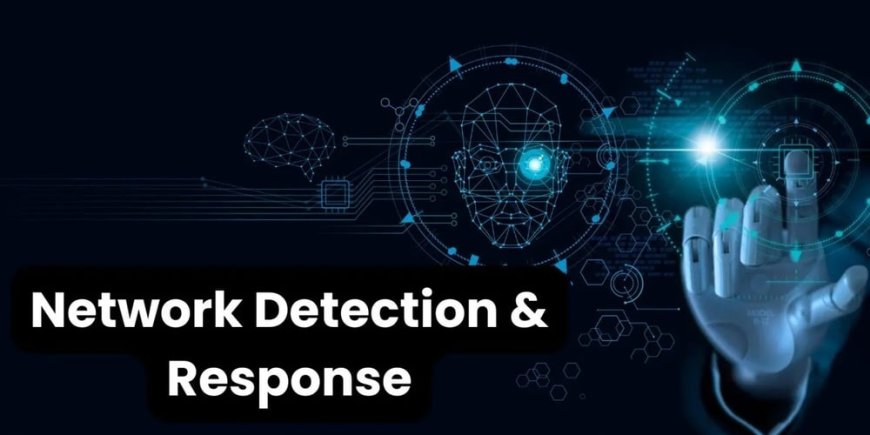
As digital supply chains grow more complex and interconnected, cybersecurity threats targeting them are becoming increasingly sophisticated. These supply chains, which rely heavily on digital infrastructure to manage logistics, data sharing, vendor relationships, and real-time decision-making, present a rich attack surface for cybercriminals. One breach in a single link can ripple across an entire ecosystem, impacting multiple organizations. Network Detection and Response (NDR) offers a powerful line of defense by providing continuous monitoring, real-time anomaly detection, and rapid response capabilities. This article explores how NDR can play a pivotal role in securing digital supply chains.
The Cyber Risk Landscape of Digital Supply Chains
Digital supply chains involve a network of suppliers, manufacturers, distributors, and technology partners, all interconnected via cloud services, APIs, IoT devices, and enterprise networks. This interconnectivity, while beneficial for efficiency, also introduces several vulnerabilities:
-
Third-party risks: Suppliers and vendors often have privileged access to internal systems.
-
Software dependencies: A compromise in widely used software can lead to mass exploitation (e.g., SolarWinds).
-
Lack of visibility: Organizations often have limited insight into vendor and partner network security.
-
IoT and OT integration: Many supply chains rely on connected devices that may lack basic security controls.
What is Network Detection and Response (NDR)?
NDR is a cybersecurity solution that monitors network traffic across the entire enterprise environment using machine learning, behavioral analytics, and threat intelligence. It identifies anomalous activities, detects threats that bypass traditional defenses, and provides tools for rapid investigation and response.
Key capabilities of NDR include:
-
Deep packet inspection
-
East-west traffic monitoring
-
Threat behavior baselining
-
Real-time alerting and forensic analysis
-
Automated response and threat containment
How NDR Strengthens Digital Supply Chain Security
1. Enhanced Visibility Across Supply Chain Networks
NDR provides granular visibility into both internal and external network traffic, enabling organizations to monitor how data flows between systems, partners, and third-party services. This visibility helps identify:
-
Suspicious connections to vendor systems
-
Unauthorized data exfiltration attempts
-
Malware propagation across segments
By correlating traffic patterns across supply chain interfaces, NDR highlights blind spots that traditional endpoint or firewall solutions might miss.
2.Detection of Lateral Movement and Zero-Day Exploits
Supply chain attacks often involve stealthy lateral movement once an attacker gains access. NDR uses behavioral analytics to detect abnormal communication between systems even if no known malware is involved. For example:
-
A suppliers account starts accessing unusual file repositories
-
A third-party service begins initiating database queries during off-hours
Such deviations from the norm can signal the early stages of a breach, enabling quicker containment.
3.Protection Against Insider and Partner Threats
Supply chains involve trusted external partners who may unintentionally (or maliciously) become a vector for attack. NDR detects insider threats by analyzing behavioral baselines identifying when a trusted entity starts acting out of character, such as:
-
Downloading large volumes of sensitive data
-
Attempting privilege escalation
-
Communicating with known command-and-control (C2) servers
NDR can trigger automated alerts and isolate affected network segments to prevent damage from spreading.
4.Integration with Existing Supply Chain Security Tools
NDR platforms often integrate with other cybersecurity tools such as:
-
SIEMs for centralized threat correlation
-
EDR for endpoint-level insight
-
Deception technology for early attacker engagement
This layered defense enables a comprehensive strategy where NDR acts as a proactive monitoring layer, feeding intelligence into the broader security ecosystem to protect the supply chain.
5.Supporting Compliance and Risk Management
Many industries such as manufacturing, healthcare, and finance are governed by strict compliance requirements (e.g., NIST, ISO 27001, GDPR). NDR supports compliance through:
-
Retention of traffic logs and forensic data
-
Real-time audit trails for investigations
-
Automated reporting of security events
It helps organizations demonstrate due diligence in monitoring third-party interactions and maintaining robust security posture across the digital supply chain.
Use Case Example: Preventing a Vendor-Based Breach
Imagine a logistics company that integrates its order fulfillment systems with multiple third-party warehouses. One of these partners unknowingly becomes compromised due to a phishing attack. The attacker uses the compromised credentials to tunnel into the logistics companys systems.
Without NDR, this movement may go undetected especially if the traffic mimics normal activity. With NDR, the unusual access patterns and abnormal data transfers trigger alerts. The security team is notified, and the session is automatically blocked before sensitive data is compromised.
Best Practices for Using NDR in Supply Chain Security
To maximize the benefits of NDR in protecting digital supply chains:
-
Map the full supply chain network and identify all data exchanges.
-
Deploy NDR sensors at strategic points: cloud, on-prem, and partner integration layers.
-
Establish behavioral baselines for third-party and vendor communications.
-
Use threat intelligence feeds to stay informed about attacker TTPs targeting supply chains.
-
Automate incident response for high-confidence detections to reduce dwell time.
Conclusion
Securing the digital supply chain is a mission-critical priority in todays hyperconnected world. Traditional security measures are no longer sufficient to detect advanced threats that exploit the weakest link in the chain. NDR offers a proactive, real-time solution to uncover hidden threats, ensure operational resilience, and protect sensitive business relationships.
As digital ecosystems continue to evolve, integrating NDR into your supply chain security strategy is not just advisable its essential.