
































What Cultural Experiences Can I Expect on the Manaslu Circuit Trek?
The Manaslu Circuit Trek offers deep cultural experiences through ancient monasteries, Tibetan-style villages, and warm local traditions. It’s more than a trek—it’s a journey into Nepal’s hidden heritage.
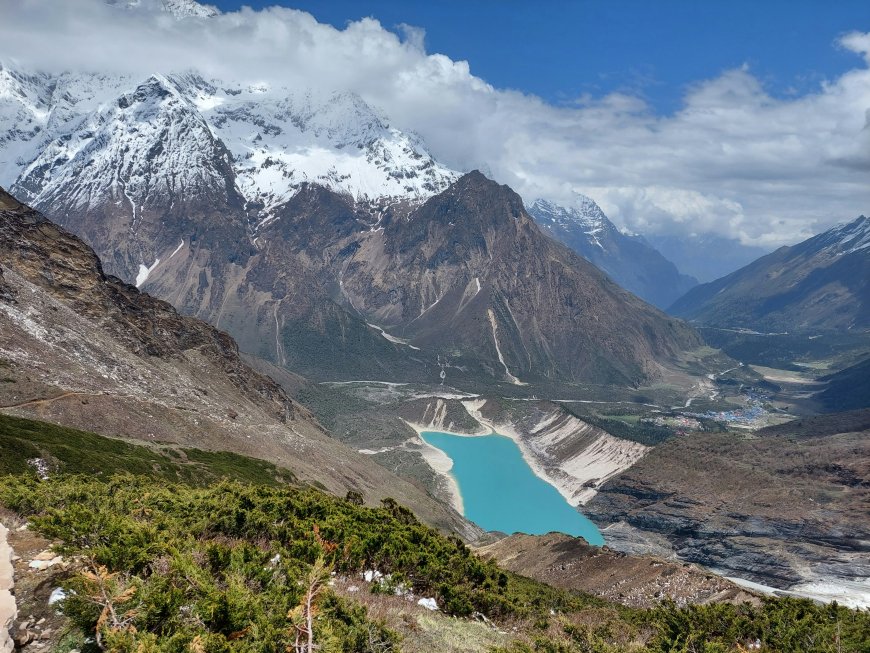
I didnt expect the Manaslu Circuit Trek to touch my heart the way it did. I thought it would just be another mountain walk big peaks, long trails, sore legs. But from the very first day, it became clear this trek was more than scenery. It was a journey through history, culture, and stories I had never heard before.
The Manaslu Circuit Trek took me to the remote highlands of Nepal, close to the border of Tibet. There, I found people living simple lives with deep traditions. I met monks, listened to chants, spun prayer wheels, and walked through villages that felt like stepping into the past.
Trek Stats: Know Before You Go
Lets start with the basics so you know what to expect:
-
Average trek length: 14 to 18 days
-
Total distance: Around 177 kilometers (110 miles)
-
Maximum elevation: Larkya La Pass at 5,160 meters (16,929 feet)
-
Best time to trek: MarchMay and SeptemberNovember
-
Start point: Soti Khola
-
End point: Dharapani (connects to the Annapurna Circuit)
This trek takes you from low river valleys to high alpine zones. Along the way, you pass through Hindu villages, Tibetan Buddhist communities, and ancient trading routes.
Welcome to a World of Traditions
As we began our trek from Soti Khola, we walked through villages where people smiled and greeted us with Namaste. In the lower areas, the culture felt more Nepali rice fields, Hindu temples, and warm Dalit and Gurung communities.
But as we moved higher past Deng and into Namrung the world slowly changed.
The houses looked different. The faces of people had more Tibetan features. Monasteries stood quietly on hills. Children spun prayer wheels as they walked home from school. We entered the Nubri region, where Tibetan Buddhism is deeply rooted.
Monasteries, Chants, and Prayer Flags
In Lho village, we visited Ribung Gompa, a beautiful monastery surrounded by pine trees and fluttering prayer flags. The air was still. Inside, monks sat cross-legged, chanting in low voices. I sat quietly, listening. I didnt understand the words, but I felt their calm.
Outside, we watched children playing and older women spinning handheld prayer wheels. Each spin was a prayer a wish for peace, good health, and safety. It made me slow down and feel the rhythm of life here. Everything was quieter, more mindful.
Living in Tibetan-Style Villages
One of the most powerful moments came in Sama Gaun, a village at 3,530 meters. It looked like a movie set stone houses, yak herders, mani walls (stone tablets with Buddhist prayers), and small trails leading to sacred spots.
We spent an extra day there to acclimatize. That gave us time to explore the village and meet the locals. One man invited us into his home. He served salty butter tea and tsampa (roasted barley flour) while telling us about life in the mountains. His family had lived there for generations. He didnt speak much English, but our guide helped translate.
What struck me most was the kindness and stillness of the people. They had little, but they offered so much. I felt honored to be in their home, even just for tea.
Festivals and Faith
Though we didnt plan it, we arrived in Samdo during a small local festival. Women wore colorful dresses and traditional jewelry. Children danced while men played long Tibetan horns and drums. It was simple, but full of joy.
Our guide explained that many festivals in the region follow the Tibetan lunar calendar. The biggest is Lhosar, Tibetan New Year, celebrated with prayer, song, food, and dancing. We missed the big one, but the small gathering we witnessed showed how strong the community is tied together by faith and tradition.
Signs of Faith in Every Step
All along the trail, we saw signs of devotion:
-
Chortens (stupas) white dome-shaped shrines, often on hilltops
-
Mani walls stone walls with carved prayers, often hundreds of meters long
-
Prayer flags in five colors, each carrying blessings on the wind
-
Prayer wheels large and small, spun by villagers and trekkers alike
I made it a habit to walk on the left side of each mani wall, as is the Buddhist tradition. It felt respectful, and it connected me to the path in a new way. I wasnt just walking I was learning.
Crossing Larkya La with Gratitude
The highest point of the trek was Larkya La Pass, 5,160 meters. It was cold, windy, and steep. We started before dawn. Each step felt hard, but the thought of reaching the top kept me going.
When we finally stood at the pass, I looked at the colorful prayer flags fluttering in the wind. I remembered the monks, the tea, the chants, the laughter of children, and the stories I had heard. This was more than just a mountain crossing. It was the final step in a journey through culture, belief, and human connection.
What This Trek Taught Me
The Manaslu Circuit Trek showed me that culture is not just something we see its something we feel. Its in the warm smile of a host. The chant of a monk. The rhythm of life in a stone village under snowy peaks.
This trek gave me more than views and memories. It gave me perspective. It reminded me that people live simply, deeply, and with quiet joy in places we often overlook.
Final Thoughts
So, what cultural experiences can you expect on the Manaslu Circuit Trek?
Youll walk through ancient Buddhist villages, sit in peaceful monasteries, sip tea with kind strangers, and witness traditions that have lasted for centuries. You wont just see the mountains youll feel the heart of the people who live among them.
This trek is more than a hike. Its a window into a world that still moves to the rhythm of nature, prayer, and community.