































Why Choosing the Right Colonoscopy Clinic Matters for Your Health
This article explores why colonoscopies are essential, how to choose the right clinic, and what you should expect before, during, and after the procedure.

When it comes to preventive healthcare, few screenings are as vital or as commonly delayed as a colonoscopy. While the idea of the test might make some people hesitant, early detection of colorectal issues can literally save lives. Thats why selecting a trusted colonoscopy clinic is crucial to your long-term health and peace of mind.
Why Colonoscopies Are Essential for Preventive Health
Colorectal cancer is one of the most preventable yet often undetected forms of cancer because early stages rarely show noticeable symptoms. Regular screenings catch precancerous polyps and early malignancies before they become life-threatening.
A reliable colonoscopy clinic doesnt just perform the procedure it ensures accuracy, safety, and patient comfort.
Who Needs a Colonoscopy and When?
Current health guidelines recommend:
-
Adults aged 45 and older begin regular screenings
-
Earlier testing for those with a family history of colon cancer or polyps
-
Immediate evaluation if you experience symptoms like rectal bleeding, persistent abdominal pain, unexplained weight loss, or changes in bowel habits
A colonoscopy clinic can help assess your individual risk factors and set up a customized screening schedule.
What Happens During a Colonoscopy?
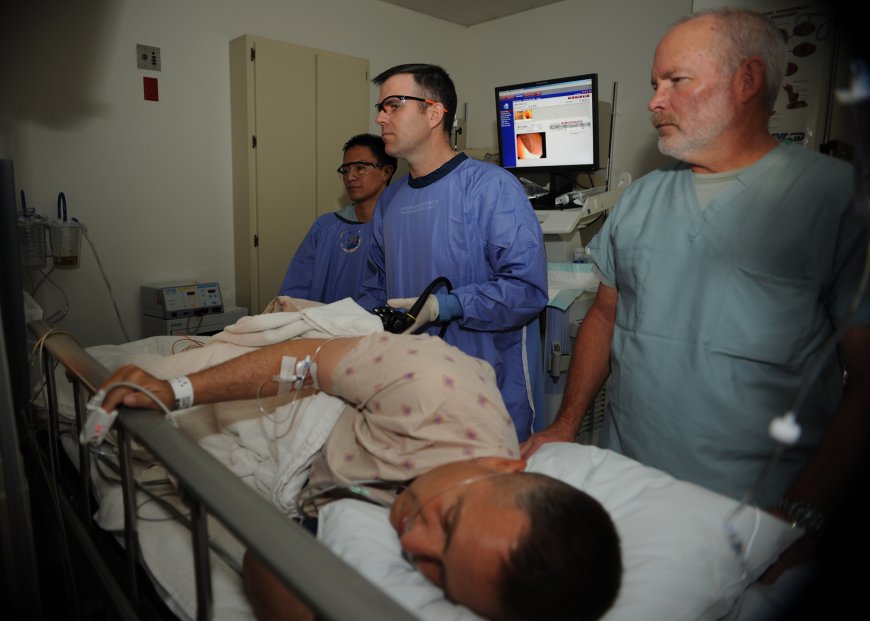
A colonoscopy is a diagnostic procedure that involves:
-
Inserting a thin, flexible tube with a camera into the colon
-
Inspecting the colon lining for polyps, inflammation, or abnormalities
-
Removing small polyps or taking tissue samples if needed
The procedure is typically performed under sedation for maximum comfort and takes about 30 to 60 minutes.
How to Choose the Best Colonoscopy Clinic
1. Check the Clinics Reputation
Look for reviews, testimonials, and success rates. A respected colonoscopy clinic will have positive patient feedback and transparent performance statistics.
2. Experience and Qualifications
Ensure the clinic employs board-certified gastroenterologists or colorectal specialists with extensive experience in performing colonoscopies.
3. Quality of Equipment
Modern, high-definition scopes and advanced imaging technology improve detection rates. A top colonoscopy clinic will invest in the latest medical equipment for enhanced patient care.
4. Cleanliness and Safety Protocols
Patient safety is non-negotiable. The facility should maintain stringent hygiene and sterilization standards.
5. Insurance Compatibility and Payment Options
Verify whether the clinic accepts your insurance plan and inquire about out-of-pocket costs or financing options for uninsured patients.
6. Supportive and Experienced Staff
Friendly, empathetic medical staff ease patient anxiety and ensure clear communication before, during, and after the procedure.
Benefits of a Good Colonoscopy Clinic
-
Accurate, early detection of polyps and cancer
-
Safe, comfortable sedation options
-
Professional, courteous care teams
-
High patient satisfaction rates
-
Clear, timely test results
-
Customized follow-up plans based on findings
What to Expect Before Your Colonoscopy
Your colonoscopy clinic will provide specific preparation instructions, typically involving:
-
A liquid diet 24 hours before the procedure
-
A prescribed bowel prep solution to clear the colon
-
Temporary adjustments to medications
Preparation is key for clear visibility during the procedure and accurate results.
During the Procedure
Youll be comfortably sedated while the specialist:
-
Guides a flexible scope through your colon
-
Inspects the colon lining
-
Removes polyps or collects biopsies if necessary
The entire process usually takes less than an hour, and most patients have little or no memory of the procedure afterward.
After the Colonoscopy
At your colonoscopy clinic, youll be monitored until sedation wears off. Expect:
-
Mild bloating or cramping
-
Restrictions on driving for the rest of the day
-
Resumption of normal activities by the next day
Test results are typically available within a few days, and your doctor will discuss findings and next steps.
Reasons Not to Delay a Colonoscopy
Many avoid this screening due to embarrassment or fear, but delaying increases the risk of undetected, advanced-stage cancer. Key reasons to prioritize it:
-
Colorectal cancer often starts without symptoms
-
Early-stage cancer is highly treatable
-
Precancerous polyps can be removed on the spot
-
Regular screenings reduce overall colorectal cancer deaths
A professional colonoscopy clinic ensures the process is safe, dignified, and as stress-free as possible.
LSI Keywords to Know:
-
colon cancer screening
-
colorectal polyps removal
-
gastroenterology specialist
-
bowel preparation
-
endoscopy center
-
routine digestive health checks
-
colonoscopy sedation options
FAQs About Colonoscopy Clinics
Q1: How often should I have a colonoscopy?
If no polyps are found and youre at average risk, a colonoscopy is recommended every 10 years. Your colonoscopy clinic will suggest a different schedule if youre high-risk.
Q2: Is the procedure painful?
No. Most colonoscopy clinic procedures are done under light sedation or anesthesia, so youll be comfortable and unaware during the exam.
Q3: Can I eat normally after a colonoscopy?
Yes. Once youre fully awake and cleared by your doctor, you can resume eating, though its best to start with light, easy-to-digest foods.
Q4: Are there risks involved?
Serious complications are rare. Minor risks include bloating, cramping, or slight bleeding if polyps are removed. A skilled colonoscopy clinic minimizes these risks.
Q5: How long does it take to get results?
Most test results are ready within 25 days. If biopsies are taken, they may require additional processing time.
Final Thoughts
A colonoscopy is one of the most effective tools in preventing colorectal cancer and safeguarding your digestive health. Choosing a reputable colonoscopy clinic ensures the procedure is thorough, accurate, and as comfortable as possible. Dont delay scheduling your screening early detection is always your best defense.