





































The Role of Architectural Drafting in Residential Construction
Architectural drafting is the process of creating detailed drawings that show the design of a building.

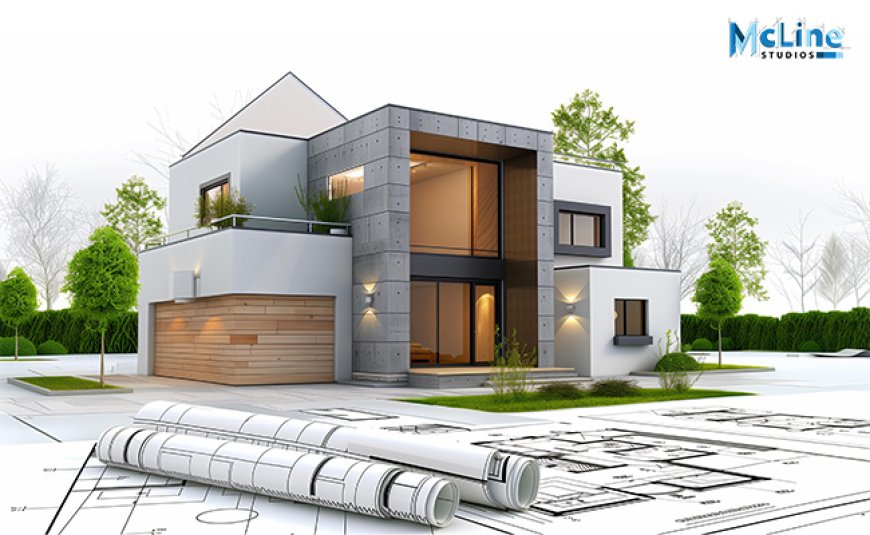
In the realm of residential construction, precision is everything. From the initial spark of a homeowners vision to the final nail driven on-site, a successful project hinges on clear communication and accurate planning.
This is where architectural drafting plays a pivotal role. Acting as the blueprint of the entire construction process, architectural drafting translates conceptual ideas into detailed technical drawings that guide every stage of development, from design approval and permitting to construction and inspection.
These drawings not only define the structures form and function but also coordinate elements like electrical layouts, plumbing systems, and structural integrity. Without comprehensive drafting, even the most brilliant design ideas can falter due to miscommunication, delays, or costly errors.
In this blog, well explore how architectural drafting serves as the backbone of residential construction, ensuring clarity, compliance, and craftsmanship from start to finish.
What is Architectural Drafting?
Architectural drafting is the process of creating detailed drawings that show the design of a building. These drawings help communicate how a structure will look and how it will be built. Architects, designers, and drafters use these plans to show everything from the buildings layout and size to its structure and materials.
Drafting is important because it helps turn ideas into clear plans. A simple sketch may show a concept, but an architectural draft includes exact measurements, technical details, and construction instructions. These drafts can be made by hand or with computer software such as AutoCAD or Revit.
In residential construction, architectural drafting shows the layout of rooms, walls, doors, and windows. It also includes details like electrical points, plumbing lines, and structural components. These drawings are used by engineers, contractors, and city officials to make sure the building is safe and follows local codes.
There are different types of architectural drawings, such as floor plans, elevations, sections, and site plans. Each one shows a different part of the design and helps with specific parts of the construction process.
Key Roles of Architectural Drafting in Residential Projects
Architectural drafting plays a very important role in residential construction. It helps turn ideas into real homes by creating clear and detailed building plans. These plans are used by architects, engineers, builders, and even homeowners to understand the design and how the house will be built.
One key role of architectural drafting is planning the layout. Drafting shows where each room, window, door, and wall will be placed. It helps in organizing the space properly to make the house comfortable and functional.
Another important role is accuracy and detail. Drafting provides exact measurements, materials, and building methods. This helps builders work with precision and reduces mistakes during construction.
Architectural drafts also help in getting approvals and permits. Local authorities need detailed drawings to check if the design follows building codes and safety rules. Without proper drafts, a project cannot move forward legally.
Drafting also supports better communication. With clear drawings, everyone involvedcontractors, electricians, plumbersknows exactly what to do. This avoids confusion and saves time.
Another role is cost estimation. By showing the full design and materials, architectural drafting helps estimate the budget more accurately. This is helpful for homeowners to plan their finances.
Lastly, architectural drafting helps in visualizing the final look of the house. It allows changes to be made on paper before construction begins.
Types of Residential Drafting Deliverables
In residential construction, architectural drafting includes many types of drawings, also known 5as deliverables. These deliverables are important because they show all the details needed to build a house correctly. Each type of drawing gives a different view or part of the design.
One common type is the floor plan. This is a top-down view of the house that shows the layout of rooms, walls, doors, and windows. It helps understand how the space is organized.
Another important deliverable is the elevation drawing. This shows the outside view of the house from all sidesfront, back, and sides. It shows the height, shape, and look of the building.
A section drawing shows a cut-through view of the house. It helps understand whats inside the walls, floors, and roof. It is useful for builders to see how different parts of the structure connect.
Site plans show the location of the house on the property. They include the land boundaries, driveways, gardens, and nearby buildings. Site plans help with planning outdoor spaces and following local rules.
Electrical and plumbing plans are also part of drafting deliverables. These show where wires, switches, pipes, and fixtures will be placed. They help electricians and plumbers do their work correctly.
Lastly, detailed drawings focus on special features like stairs, cabinets, or windows. They give extra information to build these parts with care.
Benefits of Professional Architectural Drafting
Professional architectural drafting offers many benefits in residential construction. It helps turn design ideas into clear and detailed building plans that can be followed during construction. These plans make the building process smooth, accurate, and safe.
One of the biggest benefits is accuracy. Professional drafters create drawings with exact measurements and details. This helps reduce mistakes during construction and saves time and money.
Another benefit is better communication. When builders, electricians, plumbers, and other workers look at the same set of clear drawings, they understand what needs to be done. This avoids confusion and keeps everyone on the same page.
Professional drafting also saves time. Well-prepared drawings speed up the approval process with city officials. They show that the design follows local building codes, making it easier to get permits.
Cost planning is another advantage. Drafting includes all materials and dimensions, which helps in creating accurate cost estimates. Homeowners can plan their budget better and avoid unexpected expenses later.
Professional drafts also help with future changes or repairs. If you want to renovate your home later, having original drafting plans makes the process easier and safer.
Finally, drafting helps in visualizing the final home. Before building starts, homeowners can see how the house will look and request changes if needed.
In short, professional architectural drafting brings clarity, safety, and efficiency to residential projects. It helps turn ideas into reality with confidence and quality.
The End Note
Architectural drafting is the backbone of successful residential construction. It transforms creative ideas into practical, buildable plans that guide every stage of the projectfrom initial design to final construction.
With accurate drawings, builders, engineers, and homeowners can clearly understand the design, follow safety codes, and avoid costly mistakes. From floor plans to electrical layouts, these detailed deliverables ensure that every part of the home is thoughtfully planned and executed.
Professional drafting not only improves communication and coordination among all parties but also saves time, supports budget planning, and helps visualize the final result. In todays construction world, where precision and efficiency matter more than ever, architectural drafting stands out as an essential part of turning a dream home into a reality.