





































How to Spot Hidden Refrigerant Leaks Before They Become a Crisis
Learn how to spot and prevent hidden AC refrigerant leaks before they cause major damage or high energy bills. Stay cool and save on costly repairs.


Refrigerant leaks are one of the most commonand potentially harmfulissues in air conditioning systems. Often invisible, they can go undetected for long periods, reducing performance and increasing energy costs. If ignored, these leaks may lead to expensive repairs or total system failure. However, with the right knowledge and care, early detection is possible.
In this blog, well explain how to recognise the warning signs of hidden refrigerant leaks and how to prevent them. Whether new or old, every system needs regular air conditioning maintenance to stay efficient and reliable.
Why Refrigerant Leaks Are a Serious Issue
Refrigerant is the lifeblood of your air conditioning system. Its the fluid that absorbs heat from inside your home and releases it outside, keeping your rooms cool and comfortable. When theres a leak in the system, the refrigerant level drops, and your AC struggles to do its job properly.
Heres why refrigerant leaks shouldnt be ignored:
- Reduced cooling performance:The unit will not be able to cool your space efficiently, leading to discomfort.
- Increased energy bills:The system works harder and runs longer, consuming more electricity.
- Compressor damage:Low refrigerant levels can damage the compressor, one of the most expensive components.
- Environmental harm:Refrigerant gases are harmful to the environment if released into the atmosphere.
- Legal implications:Leaking certain types of refrigerant without proper repair can be against regulations in the UK.
Early Signs of Hidden Refrigerant Leaks
Most refrigerant leaks start small. You may not even realise theres an issue until it begins affecting your comfort or electricity bill. Here are some of the early warning signs to look out for:
1. Hissing or Bubbling Sounds
These sounds usually come from the coils or pipes in your system. A hissing sound may indicate a small leak, while bubbling can suggest that air is entering the refrigerant line.
2. Weak or Warm Airflow
If your AC is blowing air but it doesnt feel cold, or the airflow seems weaker than usual, it might be a sign that refrigerant levels are low.
3. Increased Energy Bills
A hidden leak forces your system to work harder, which consumes more electricity. If youve noticed a sharp rise in your bills, this could be the reason.
4. Frozen Evaporator Coils
If the coils inside your unit have ice build-up, its often due to low refrigerant levels. This can prevent your system from cooling properly and damage the coils over time.
5. Longer Cooling Times
Your air conditioner might take much longer to cool a room than it used to. This delay is usually caused by insufficient refrigerant, which slows the cooling process.
Spotting these signs early can save you from bigger problems. If any of these symptoms sound familiar, its time to consider a check-up.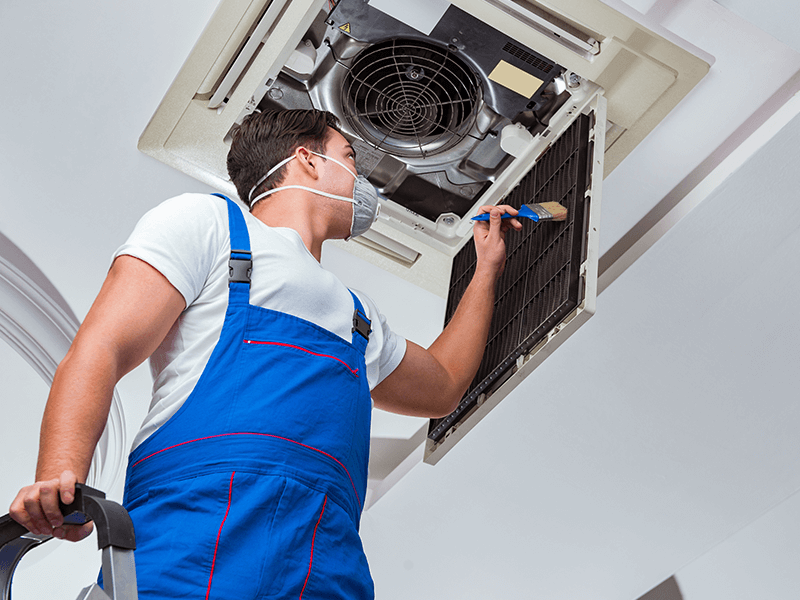
How Professionals Detect Leaks
Detecting a hidden refrigerant leak is not something most homeowners can do themselves. It requires the right tools and expertise. Heres how qualified engineers usually detect them during scheduled maintenance:
- UV Dye Test:A special dye is added to the system, and a UV light helps trace the exact location of the leak.
- Electronic Leak Detectors:These handheld devices detect even the smallest amount of escaping gas.
- Nitrogen Pressure Testing:The system is pressurised using nitrogen gas, and any loss of pressure helps pinpoint the leak.
- Soap Bubble Test:A classic method where soapy water is applied to suspected areas bubbles indicate a leak.
These techniques are part of standardair conditioning maintenance Londonand are very effective in identifying hidden issues before they turn into major faults.
Common Causes of Refrigerant Leaks
Understanding what causes leaks can also help prevent them. Here are some typical reasons your AC might develop a refrigerant issue:
- Corrosion:Over time, copper coils and fittings can corrode, creating tiny holes that allow refrigerant to escape.
- Poor Installation:A faulty air conditioning installation may include loose fittings or weak solder joints, which can develop leaks.
- Physical Damage:Accidental impacts to the outdoor unit or internal components can lead to cracking or bending of the pipes.
- Vibration:Continuous vibration from the compressor can weaken joints over time.
- Ageing Equipment:Older systems naturally deteriorate and become more prone to leaks.
Risks of Ignoring Refrigerant Leaks
Its easy to put off calling for repairs, especially if your AC still seems to be working. However, delaying can have serious consequences:
- Expensive Repairs:What starts as a small leak can lead to compressor damage, costing hundreds to repair or replace.
- Complete System Failure:Continued operation with low refrigerant can cause the entire unit to break down.
- Health and Safety Concerns:Some refrigerants can cause dizziness or respiratory issues if inhaled in high quantities.
- Environmental Fines:Certain refrigerants are controlled substances, and improper handling or leaks may result in penalties.
Regular inspections and servicing help avoid these outcomes and keep your home cool and safe.
Preventive Steps for Homeowners
While detecting and repairing leaks should be left to professionals, there are things you can do to reduce the risk:
- Schedule Regular Maintenance:At least once a year, have your system inspected by a professional technician.
- Choose Quality Installation:Ensure you use a certified team forair conditioning installation Londonto avoid early faults.
- Clean the Area Around Outdoor Units:Leaves, dirt, or garden equipment can damage or block the unit.
- Monitor Performance:Keep an eye on airflow strength, cooling times, and any unusual noises.
- Use Smart Thermostats:These help your system run more efficiently and avoid unnecessary strain.
Taking these small steps can help prolong the life of your system and keep it leak-free.
When to Call in the Experts
If you suspect a leak, or even if youre just unsure, its always better to be cautious. You should call a professional if:
- Your AC is more than 57 years old
- Youve noticed one or more of the symptoms listed earlier
- Youve recently had home renovations that may have disturbed the AC system
- You want a seasonal check before peak summer
A professional can give you a full system inspection, top up your refrigerant if needed, and prevent more serious problems from developing.
Conclusion
Refrigerant leaks may be hidden, but they dont have to stay that way. With a little awareness and timely action, you can spot the signs early and avoid costly damage. Whether its choosing the right team for air conditioning installation or keeping up with regular air conditioning maintenance, prevention is always better than a cure.
Dont wait until your AC stops working on the hottest day of the year. Trust the experts and give your system the care it needs.
Hamilton Air Conditioning Ltd is here to help you stay cool, safe, and energy-efficient all year round.