


























Step Into the Future of Workspaces with CRC The Flagship


The way we work is undergoing a rapid transformation. The rigid, uniform office spaces of the past are being replaced by agile, purpose-built environments that promote collaboration, creativity, and comfort. Businesses today seek spaces that align with their evolving modelsoffices that support remote collaboration, retail formats that offer experiential value, and infrastructure that reflects a commitment to sustainability.
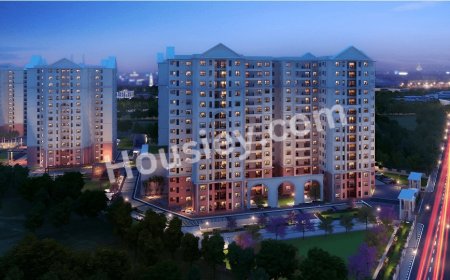
In this changing landscape, CRC The Flagship presents itself as a reflection of the future of workspaces. Strategically located in Sector 140A, Noida, this development is designed to meet the diverse and dynamic needs of modern businesses. The focus is not just on providing space, but on creating a high-functioning ecosystem where enterprises can thrive.
This article explores the critical aspects of future-ready workspaces and how CRC The Flagship aligns with these emerging trends through a combination of intelligent design, efficient infrastructure, and sustainable planning.
The Rise of Flexible Workspace Design
Traditional offices were designed to fit a fixed mold. Today, workspaces must be adaptive to accommodate the changing needs of businesses and teams. Whether it's a startup seeking a shared office, a mid-sized enterprise requiring scalable infrastructure, or a multinational company in need of a tech-enabled campus, the expectations have shifted toward flexibility and usability.
Key trends driving flexible workspace adoption:
-
Demand for smaller, modular offices for distributed teams
-
Use of collaborative zones in place of cubicles
-
Inclusion of common amenities to reduce operational load
-
Space planning that supports hybrid work formats
This development incorporates these requirements through open floor plates, customizable units, shared infrastructure, and flexible leasing formats that suit a broad range of business sizes and sectors.
Technology-Driven Infrastructure
As companies become increasingly digital, their workspace must support high-speed, uninterrupted connectivity. It is no longer enough to have a strong internet connection; the entire building needs to be designed to meet the demands of smart businesses.
CRC The Flagship includes infrastructure tailored for modern operations:
-
High-speed fiber-optic internet backbone
-
Server-compatible power backup systems
-
Building-wide Wi-Fi availability
-
Touch-free access controls and surveillance
-
Automated lighting and energy systems
These features ensure business continuity, secure operations, and the ability to integrate new technologies like IoT, automation, or remote conferencing systems without overhauling the structure.
Designing for Human-Centric Experiences
Productivity is no longer measured solely by outputit is now deeply tied to how people feel in their work environment. Natural light, noise control, green spaces, and access to daily conveniences all contribute to a better work experience.
Human-centric design is a defining feature of CRC The Flagship. The development has focused on:
-
Maximizing natural lighting in office units
-
Reducing noise through thoughtful material choices
-
Creating pedestrian-friendly movement paths
-
Including quiet corners and informal discussion areas
-
Ensuring indoor air quality through smart ventilation
By creating spaces that prioritize health, comfort, and mental well-being, the project addresses not just operational needs, but the overall quality of life for those who work there.
Integrated Retail and Lifestyle Facilities
Future workspaces are not just about workthey are about the broader lifestyle they support. Offices located in isolation can lead to employee fatigue and inefficiency. In contrast, developments that integrate retail, food, wellness, and leisure options contribute to a more balanced workday.
CRC The Flagship includes a thoughtfully curated retail zone featuring:
-
Daily convenience stores and essential services
-
Cafs and food courts for lunch breaks and informal meetings
-
Wellness and personal care outlets
-
Seating areas that encourage social interaction
-
Event-ready spaces for promotions and gatherings
This integration supports a more fulfilling daily experience for both employees and visitors and contributes to footfall and energy throughout the premises.
Sustainability as a Built-In Feature
Environmental responsibility is now a core part of corporate identity. Companies are increasingly seeking green-certified buildings that reflect their sustainability commitments. At the same time, sustainable design also reduces long-term operating costs.
It includes a number of features that align with sustainable development practices:
-
Rainwater harvesting and efficient drainage systems
-
Energy-efficient HVAC and LED lighting
-
Use of non-toxic, recyclable construction materials
-
Provision for solid waste management and segregation
-
Access to natural ventilation and shaded areas
By embedding these features from the design phase, the development not only supports ecological goals but ensures long-term resilience and cost-effectiveness for its occupants.
Location and Urban Connectivity
One of the strongest draws for any commercial development is locationand more specifically, how well it integrates into the urban transit and utility network. Sector 140A is emerging as a prime commercial hub, not just for its geographical positioning, but for its connectivity to other parts of Noida, Delhi, and Greater Noida.
This project benefits from:
-
Immediate access to the Noida-Greater Noida Expressway
-
Close proximity to planned metro stations
-
Nearby residential neighborhoods and institutional zones
-
Direct connection to healthcare, hospitality, and educational services
-
Ample parking and traffic management within the campus
These connections reduce commuting challenges, improve logistics, and make the site attractive for both daily users and business partners.
A Development That Supports Multiple Use Cases
One of the challenges of traditional commercial spaces is their rigidity. The future of work requires spaces that can adapt to different business modelsbe it tech firms, consultancies, studios, service centers, or even wellness brands.
CRC The Flagship has been designed to accommodate a diverse set of industries:
-
IT and tech companies needing modular workspaces
-
Retail brands seeking high visibility and flexible layouts
-
Healthcare and wellness providers needing accessible and well-ventilated spaces
-
Financial firms and service agencies with secure, compartmentalized zones
-
Creative and media professionals who require collaborative settings
This adaptability allows businesses to scale and evolve within the same premises, eliminating the need for frequent relocation.
Community and Public Engagement
Modern developments increasingly focus on the role of space in community-building. Offices are no longer closed-off zonesthey are part of a larger ecosystem of users, visitors, vendors, and local residents. Successful commercial hubs encourage public interaction and social utility.
CRC The Flagship is structured around this concept with:
-
Open courtyards and gathering areas
-
Landscaped walkways accessible to both tenants and visitors
-
Spaces that can be used for public events, exhibitions, or markets
-
Art installations or cultural touch points within the common zones
These spaces foster community relationships and contribute to a development thats active beyond just working hours.
Health and Safety Considerations
Health, hygiene, and safety have become primary concerns in the post-pandemic world. Workspaces are now expected to deliver more than conveniencethey must assure users of wellness and risk mitigation through every part of the facility.
This development integrates:
-
Touchless entry and sanitation points
-
Air purification and filtration systems
-
Clearly demarcated emergency exits and refuge zones
-
Surveillance for monitoring and safety without intrusion
-
Accessible design for individuals with physical challenges
These features make the development ready not just for everyday operations, but also for managing contingencies without disruption.
Conclusion
As businesses prepare for the future, the workspace is becoming a strategic assetnot just a cost. A well-planned, technologically enabled, sustainable commercial environment can drive innovation, attract talent, improve well-being, and enhance operational agility.
CRC The Flagship Noida in Sector 140A represents this shift in mindset. It is not merely a place to workit is a place to thrive. With its focus on flexibility, connectivity, sustainability, and user well-being, it offers a clear glimpse into what the next generation of commercial real estate must deliver.
In a world where change is constant, only those environments that are built to adapt will stand the test of time. And the future, it seems, has already arrived.